

Understanding asbestos testing regulations can appear like negotiating a maze. However, for people and corporations that are looking to ensure the safety and submission of these situations, understanding this subject is crucial. This post aims to demystify asbestos testing rules, providing ideas and useful ideas which will manual you through the difficulties of compliance.
The Importance of Asbestos Awareness
Starting with a fundamental question—why does asbestos subject so much? This naturally occurring spring was when hailed for its toughness and heat resistance. Regrettably, additionally it is a health hazard. When disturbed, asbestos fibers become airborne, posing critical risks to human health. This is why stringent testing and conformity rules are in position to stop exposure.
Getting to Know the Key Regulations
Different laws govern asbestos testing, such as the Clean Air Act and the Harmful Elements Get a grip on Behave in the United States. These regulations stipulate how asbestos should be handled, who is able to accomplish testing, and the forms of structures that require typical inspections. Understanding these rules could be the first faltering step towards full compliance.
Who Needs to Test for Asbestos?
The small solution is anyone in charge of a building constructed before 1980. Older structures are prone to include asbestos. Homeowners, landlords, and company operators should assure their properties are frequently tested, specially all through renovations, to prevent accidental exposure.
Choosing the Right Professional for the Job
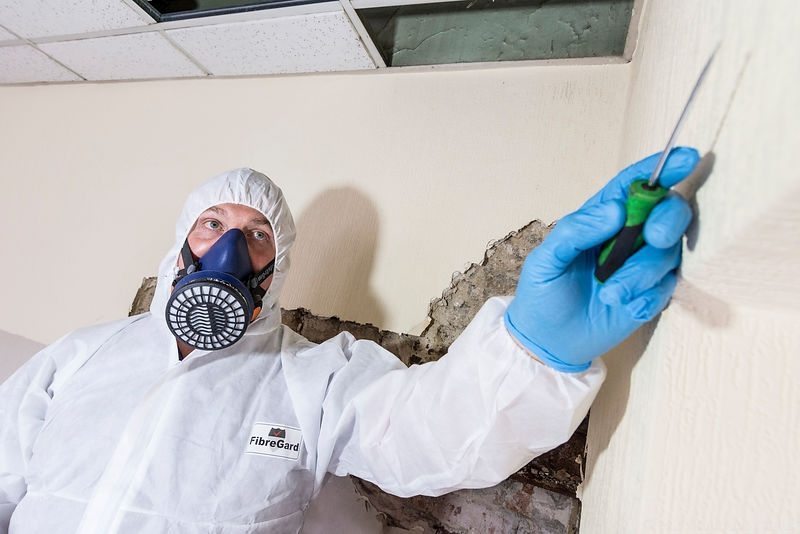
Not merely everyone can test for asbestos. Hiring a professional skilled is crucial. These authorities have specific instruction to properly handle and check materials suspected of comprising asbestos. They can also help read test effects and provide guidance on any essential actions.
The Testing Process Unveiled
The procedure usually involves gathering samples from thought materials and sending them to a lab for analysis. This method guarantees accurate recognition of asbestos materials, that will be needed for determining another steps. Knowing what the process entails makes you for what to anticipate when engaging professionals.
Interpreting Test Results
When screening is completed, the outcomes can tell you if asbestos is present. If it is, you'll need to determine on a proper length of action, often concerning treatment or containment. Understanding these effects helps you make knowledgeable conclusions about your property's safety and compliance.
Compliance is Key
Keeping certified with asbestos rules is not merely about preventing legitimate penalties. It's about ensuring protection for anyone who occupies or visits the building. Normal opinions of regulatory updates are important to staying educated and compliant.
Mitigating Risks Through Regular Inspections
Normal inspections certainly are a hands-on way to ensure submission and safety. This includes periodic assessments of known asbestos-containing materials to make sure they stay undisturbed and whole, minimizing coverage risks.
The Role of Technology in Testing
Advancements in technology keep on to boost the accuracy and effectiveness of asbestos testing. New methods and methods are emerging which make the testing method safer and quicker, which could be specially necessary for bigger houses or continuing compliance efforts.
Learning From Case Studies
Examining real-world cases where asbestos regulations were efficiently navigated provides sensible insights. Learning from the others'activities can spotlight best methods and frequent traps to prevent in your asbestos management efforts.
Staying Informed with Continued Education
Extended training is vital for anybody involved in managing homes with potential asbestos exposure. Keeping up with industry developments assures you're organized for regulatory improvements and developments in screening techniques.
Conclusion
Moving asbestos testing regulations does not have to be daunting. Understanding the significance of asbestos attention, the need for skilled screening, and the process included may encourage house homeowners and managers. By keeping informed and practical, you are able to guarantee a secure and compliant setting for all involved.